
Project Proposal: Assessing Damage and Rebuilding Syria: A Post-Revolution Framework
Introduction:
The Syrian revolution, while a testament to the people’s desire for freedom and dignity, has resulted in widespread destruction of infrastructure and civilian property. A systematic and comprehensive damage assessment is the crucial first step towards effective reconstruction. This proposal outlines a framework for evaluating the extent of the damage and proposes actionable steps for rebuilding Syria after the success of the revolution.
The Scale of the Challenge:
Years of conflict have left Syria with:
- Widespread Destruction of Housing: Millions of homes have been damaged or destroyed, displacing a significant portion of the population.
- Damaged Critical Infrastructure: Essential infrastructure, including hospitals, schools, power plants, water treatment facilities, and transportation networks, has been severely affected.
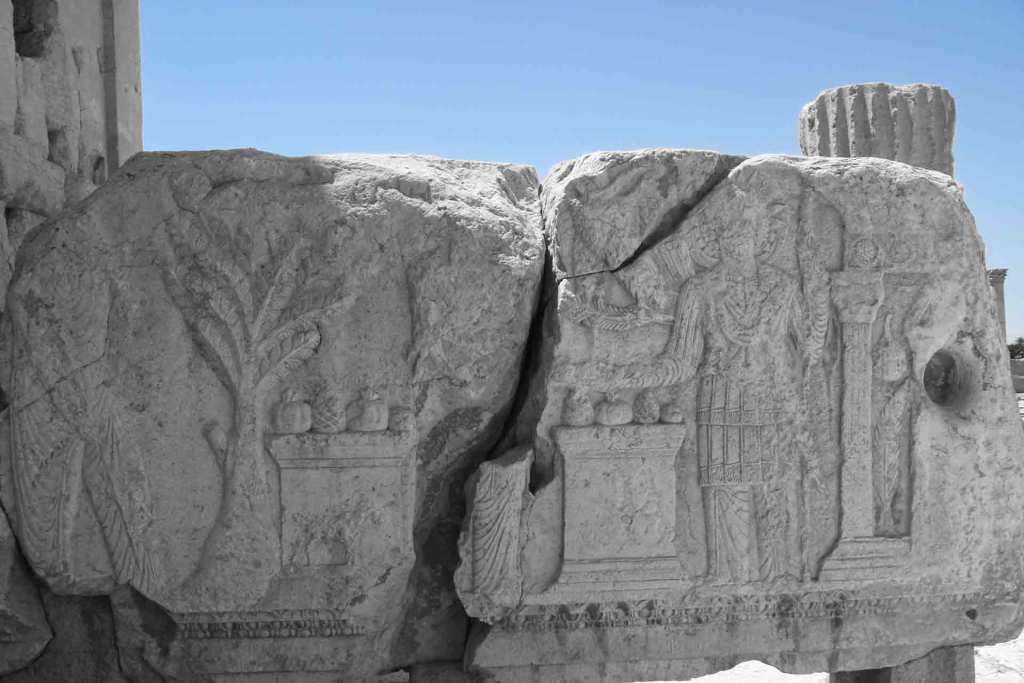
- Damage to Cultural Heritage Sites: Irreplaceable historical and cultural sites have suffered significant damage, representing a loss for both Syria and global heritage.
- Economic Devastation: Businesses have been destroyed, supply chains disrupted, and the economy severely weakened.
Project Goals:
- Conduct a comprehensive and impartial assessment of damage to infrastructure and civilian property across Syria.
- Develop a prioritized reconstruction plan based on the assessment findings.
- Establish a transparent and accountable mechanism for managing reconstruction funds.
- Promote sustainable and equitable reconstruction that benefits all Syrians.
Phase 1: Damage Assessment (Crucial First Step):
- Establish a National Damage Assessment Commission: This independent body should include experts in engineering, urban planning, economics, and social sciences, as well as representatives from local communities and civil society organizations.
- Develop a Standardized Methodology: Establish a clear and consistent methodology for assessing damage, including standardized data collection forms, assessment criteria, and mapping tools. This will ensure data consistency and comparability across different regions.
- Utilize Technology: Employ remote sensing technologies (satellite imagery, drones) and Geographic Information Systems (GIS) to efficiently map and assess damage across large areas. Combine this with on-the-ground assessments where possible.
- Prioritize Data Collection: Focus on collecting data on:
- Residential buildings (extent of damage, type of damage, number of affected households)
- Critical infrastructure (hospitals, schools, power plants, water facilities, transportation networks)
- Public buildings (government offices, community centers)
- Economic infrastructure (factories, businesses, agricultural land)
- Cultural heritage sites
- Ensure Inclusivity and Participation: Engage local communities in the assessment process to capture their perspectives and ensure that their needs are considered.

Phase 2: Reconstruction Planning:
- Develop a National Reconstruction Plan: Based on the damage assessment, develop a comprehensive national reconstruction plan that prioritizes the rebuilding of essential infrastructure and housing.
- Prioritize Needs: Prioritize reconstruction efforts based on urgency and impact, focusing on:
- Restoring essential services (water, electricity, healthcare, education)
- Providing safe and adequate housing for displaced populations
- Rehabilitating critical infrastructure to support economic recovery
- Promote Sustainable and Resilient Infrastructure: Incorporate principles of sustainable development and disaster resilience into reconstruction efforts to minimize future risks.
- Address Housing Needs: Implement a multi-faceted approach to address housing needs, including:
- Reconstruction of damaged or destroyed homes
- Provision of temporary housing solutions
- Support for housing rehabilitation and upgrading
- Restore Cultural Heritage: Develop a plan for the restoration and preservation of damaged cultural heritage sites, involving international experts and adhering to international standards.

Phase 3: Implementation and Funding:
- Establish a Transparent Funding Mechanism: Create a transparent and accountable mechanism for managing reconstruction funds, ensuring that funds are used effectively and efficiently. This is crucial for securing international funding.
- Seek International Funding and Partnerships: Engage with international organizations, development agencies, and donor countries to secure funding for reconstruction efforts.
- Promote Local Participation and Ownership: Involve local communities and civil society organizations in all stages of the reconstruction process to ensure local ownership and sustainability.
- Strengthen Local Governance: Support the development of strong and accountable local governance structures to manage reconstruction efforts effectively.
- Capacity Building: Invest in training and capacity building for local professionals in fields such as engineering, urban planning, and construction.
Key Considerations:
- Transparency and Accountability: Maintaining transparency and accountability in all aspects of the project is essential for building public trust and securing international support.
- Coordination and Collaboration: Effective coordination and collaboration among all stakeholders, including government agencies, local communities, international organizations, and the private sector, is crucial for success.
- Long-Term Perspective: Reconstruction is a long-term process that requires sustained commitment and investment.
Expected Outcomes:
- A comprehensive and impartial assessment of damage to infrastructure and civilian property.
- A prioritized national reconstruction plan.
- The rebuilding of essential infrastructure and housing.
- The restoration of damaged cultural heritage sites.
- Economic recovery and improved living conditions for all Syrians.
Conclusion:
The reconstruction of Syria is a complex and challenging undertaking, but it is essential for the future of the nation. By implementing a comprehensive and well-planned approach, focusing on transparency, accountability, and local participation, Syria can rebuild stronger and more resilient than before. This project represents a vital investment in the future of Syria and its people.
Project Manager

AHMAD ALKHANEE
Board Member
- Phone:+1 (859) 254-6589
- Email:info@example.com
Project Manager Word
This is an outline details the core objectives and strategic direction for the Syria Data Center project, “Data for Development: Establishing a National Data Infrastructure for Post-Revolution Syria.” The leadership is paramount in transforming this vision into a tangible reality, creating a cornerstone for Syria’s reconstruction and future prosperity.
The post-revolution era presents an unparalleled opportunity to rebuild Syria on principles of transparency, accountability, and evidence-based decision-making. Historically, Syria’s data landscape was limited and often politicized, a challenge exacerbated by conflict. This Project directly addresses this by building a robust national data infrastructure from the ground up, integrating best practices and cutting-edge technologies. This infrastructure is vital for informed policymaking across all sectors, targeted resource allocation, effective monitoring and evaluation, attracting crucial international investment by reducing perceived risks, and ultimately restoring Syria’s global standing.
The primary responsibilities will include:
- Strategic Oversight: Guiding the overall project implementation, ensuring meticulous alignment with the defined goals and objectives, and navigating the complexities of post-conflict rebuilding.
- Stakeholder Engagement: Building and maintaining strong, collaborative relationships with the newly established National Data Commission, various Syrian government institutions, key international organizations (UN agencies, World Bank, IMF), potential donors, and local data experts.
- Team Leadership & Capacity Building: Assembling and managing a skilled, multidisciplinary team of data scientists, IT professionals, statisticians, and administrative staff. A crucial part of your role will be overseeing comprehensive training and capacity-building programs for Syrian professionals in data analysis, management, and visualization to ensure long-term sustainability.
- Operational Planning: Developing detailed work plans, clear timelines, and precise resource allocation strategies for each phase of the project, from data inventory and gap analysis to platform development and security protocol implementation.
- Data Infrastructure Development: Overseeing the creation of a secure and accessible central data repository and online platform, ensuring user-friendly interfaces and robust data security and privacy protocols that adhere to international standards.
- Risk Management: Proactively identifying potential operational, security, and political challenges, and developing effective mitigation strategies to safeguard project success and data integrity.
- Financial Management & Reporting: Meticulously overseeing the project budget, ensuring responsible and transparent utilization of donated funds, and providing regular, detailed financial reports to all stakeholders.
- Promoting Open Data & Investment: Actively promoting open data initiatives by making non-sensitive data publicly available. A key focus will be developing clear, compelling data visualizations and reports that highlight investment opportunities, making this information accessible to international investors.
- Sustainability Planning: Working diligently towards the long-term institutionalization and financial viability of the SDC, exploring public-private partnerships to support its ongoing development and maintenance.
The dedication, technical expertise, and ability to navigate this complex undertaking are crucial. The successful establishment of this project will profoundly impact Syria’s ability to rebuild effectively, attract crucial international investment, and regain its standing on the global stage. We are confident in your leadership to deliver a data infrastructure that truly empowers a brighter future for Syria.
Financial Plan For Donors
Syria Damage Assessment – Investing in a Data-Driven Future for Recovery and Growth
Project Title: Syria Damage Assessment : Building a Foundation for Recovery and Growth
Vision: To empower Syria’s reconstruction and sustainable development through the establishment of a transparent, reliable, and accessible national data infrastructure, serving as a catalyst for evidence-based policymaking, attracting international investment, and fostering accountability.
The Opportunity: Post-revolution Syria faces an unprecedented opportunity to build a modern data ecosystem from the ground up. Before the conflict, data was scarce and often politicized; the war further exacerbated this. The project will transform this landscape by creating a centralized, secure, and accessible platform for data collection, analysis, and management. This foundational infrastructure is essential for effective governance, efficient resource allocation, and crucial for demonstrating stability and transparency to attract vital international capital for economic recovery.
Why Your Investment in this Project is Transformative:
- Measurable Results & Global Standing: We are committed to providing regular, transparent reports on the project’s progress and the tangible impact of the data infrastructure on key development indicators, demonstrating Syria’s commitment to modernization and enhancing its global standing.
- Direct Impact on Reconstruction: Reliable data is the bedrock of effective rebuilding. Your donation will enable informed decisions on allocating resources, developing critical infrastructure, and targeting humanitarian aid where it’s most needed, maximizing impact.
- Fueling Economic Recovery: Accessible, transparent, and credible data significantly reduces perceived investment risk and highlights promising opportunities across various sectors. This will attract crucial international capital, revitalizing the Syrian economy and creating jobs.
- Promoting Transparency and Accountability: By supporting the development of open data initiatives and robust data governance, you will contribute to a more transparent, accountable, and trustworthy governance structure, essential for combating corruption and building public trust.
- Long-Term Sustainability & Resilience: The Project is designed for enduring impact. Your contribution helps lay the foundation for a sustainable data ecosystem through institutionalization within Syrian governmental bodies, continuous capacity building, and the exploration of public-private partnerships.
You Can use our Other Donations Platforms ,