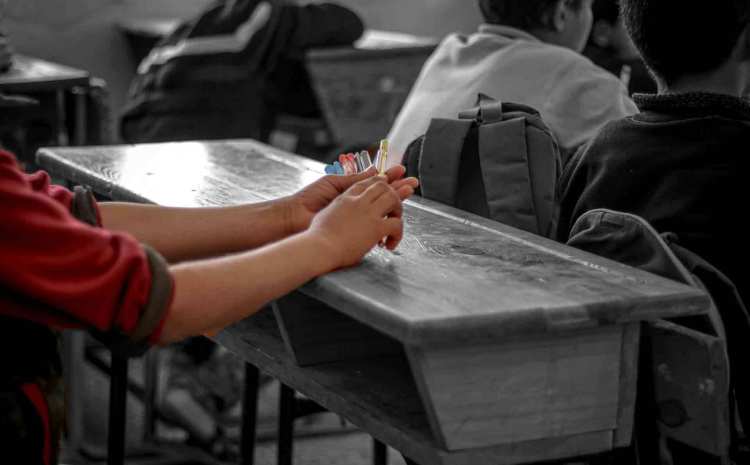
Project Proposal: Revitalizing Education in Post-Revolution Syria: A Path to Recovery and Renewal
Introduction:
The Syrian revolution, while driven by the pursuit of freedom and a better future, has had a devastating impact on the nation’s education system. Years of conflict have resulted in widespread destruction of schools, displacement of students and teachers, and a severe disruption of learning. Rebuilding the education sector is crucial for Syria’s recovery and long-term development. This proposal outlines the current state of education in Syria and proposes steps for its revitalization after the success of the revolution, acknowledging the financial constraints faced by the Syrian government and focusing on securing international support.
The Current State of Education in Syria:
- Damaged and Destroyed Schools: A significant number of schools have been damaged or destroyed due to conflict, leaving many children without access to safe learning environments.
- Displacement of Students and Teachers: Millions of Syrians have been displaced, both internally and externally, disrupting their education and creating challenges for educational planning and resource allocation.
- Shortage of Qualified Teachers: Many teachers have fled the country or been internally displaced, leading to a shortage of qualified educators.
- Curriculum Disruption: The conflict has disrupted the curriculum and created gaps in learning, particularly for children who have missed significant amounts of schooling.
- Psychological Trauma: Many children have experienced trauma due to the conflict, which can affect their ability to learn and thrive in school.
- Lack of Resources: The Syrian government’s financial resources are severely limited, making it difficult to fund the reconstruction and rehabilitation of the education sector.
Project Goals:
- Rehabilitate and rebuild damaged and destroyed schools.
- Provide access to quality education for all Syrian children, regardless of their location or circumstances.
- Train and support teachers to address the educational and psychological needs of students.
- Develop a relevant and updated curriculum that prepares students for the challenges and opportunities of the 21st century.
- Promote inclusive education that caters to the needs of all learners, including children with disabilities and those affected by trauma.
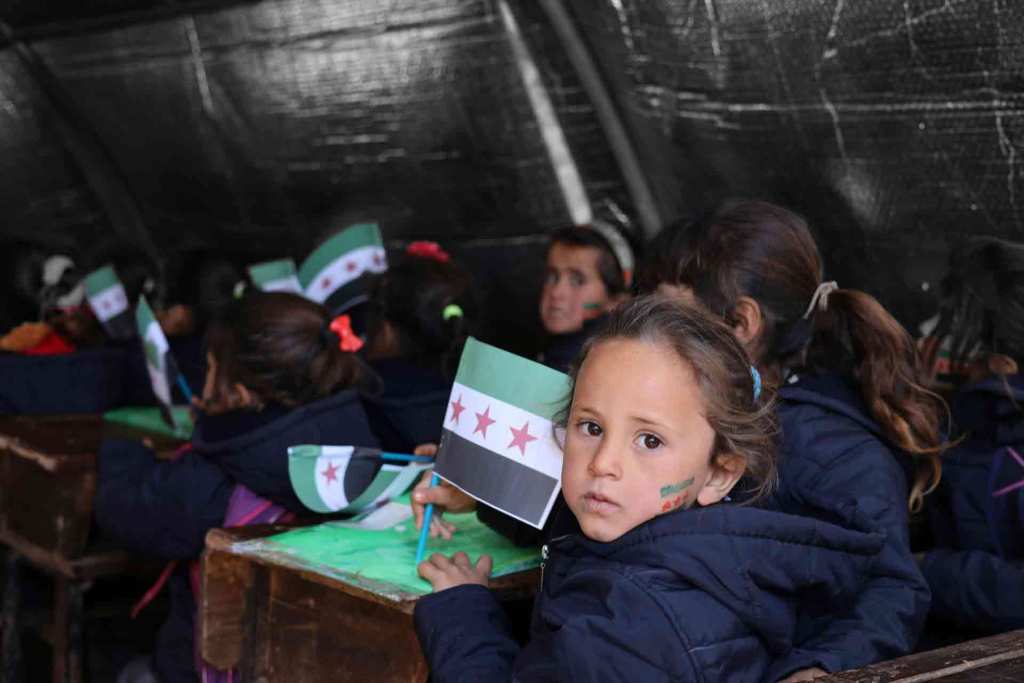
Implementation Strategies (with a Focus on International Funding):
- Comprehensive Needs Assessment: Conduct a thorough assessment of the damage to schools, the needs of students and teachers, and the existing educational infrastructure.
- Prioritize School Rehabilitation and Reconstruction: Focus on rehabilitating existing school buildings and constructing new ones in areas where they are most needed. Prioritize safe and accessible learning environments.
- Secure Funding from International Donors: Target international organizations (UNICEF, UNESCO, World Bank), development agencies, and philanthropic foundations for funding. Develop strong proposals that highlight the project’s impact, sustainability, and alignment with international development goals.
- Partner with NGOs and Local Communities: Collaborate with reputable local and international NGOs and community organizations to implement projects on the ground. This ensures local ownership and efficient resource utilization.
- Teacher Training and Professional Development: Implement comprehensive teacher training programs that focus on pedagogy, curriculum development, and addressing the psychological needs of students.
- Curriculum Reform and Development: Review and update the curriculum to ensure its relevance and alignment with international standards. Incorporate peacebuilding, civic education, and life skills into the curriculum.
- Psychosocial Support for Students: Provide psychosocial support services to students who have experienced trauma, including counseling, art therapy, and other interventions.
- Alternative Learning Programs: Develop alternative learning programs for children who have missed significant amounts of schooling, including accelerated learning programs and non-formal education opportunities.
- Technology Integration: Utilize technology to enhance learning and improve access to education, including online learning platforms, educational software, and digital libraries.
- Community Engagement and Parental Involvement: Engage parents and communities in the education process to promote school attendance and support student learning.
Sustainability:
- Capacity Building: Focus on building the capacity of local educational institutions and personnel to ensure the long-term sustainability of the project.
- Community Ownership: Promote community ownership of schools and educational programs to ensure their long-term viability.
- Advocacy for Increased Government Investment: Advocate for increased government investment in education once the political and economic situation stabilizes.
Expected Outcomes:
- Rehabilitated and reconstructed schools providing safe and conducive learning environments.
- Increased access to quality education for all Syrian children.
- Improved teacher quality and capacity.
- A relevant and updated curriculum that prepares students for the future.
- Improved psychosocial well-being of students.
- A stronger and more resilient education system in Syria.
Conclusion:
Rebuilding the education sector in post-revolution Syria is a critical investment in the nation’s future. By focusing on international partnerships, community engagement, and sustainable strategies, this project can help to create a brighter future for Syrian children and contribute to the long-term recovery and development of the country.
Project Manager

Samer Al-Fattal
Founder
- Phone:+1 (859) 254-6589
- Email:info@example.com
Project Manager Word
Leading the Revival of Education: the Syria Education Initiative
This document outlines the critical objectives and strategic framework for the Syria Education Initiative : “Revitalizing Education in Post-Revolution Syria: A Path to Recovery and Renewal.” The leadership will be central to transforming the vision of a restored and strengthened education system into a tangible reality that will shape the future of Syria’s children and the nation as a whole, particularly given the financial constraints on the Syrian government.
The proposal underscores the devastating impact of the revolution on Syria’s education sector and the urgent need for comprehensive revitalization. With widespread destruction, displacement, and disrupted learning, a concerted effort focused on international support is essential to rebuild and modernize the system.
The primary responsibilities will encompass:
- Strategic Direction: Providing overarching leadership and ensuring all project activities align with the stated goals of rehabilitation, access, teacher development, curriculum reform, and inclusive education.
- International Partnership Development: Cultivating and maintaining strong relationships with international organizations (UN agencies, development banks), NGOs, philanthropic foundations, and donor governments to secure essential funding and technical expertise.
- Needs Assessment and Prioritization: Overseeing the comprehensive assessment of educational needs across Syria and establishing clear priorities for intervention based on urgency and impact.
- Program Management: Leading the design, implementation, and monitoring of all project components, including school rehabilitation, teacher training, curriculum development, psychosocial support programs, and technology integration.
- Financial Stewardship: Managing the project budget with utmost transparency and accountability, ensuring efficient allocation of resources to maximize impact and meet donor requirements.
- Stakeholder Coordination: Collaborating effectively with local communities, educational authorities (as they re-establish), NGOs, and international partners to ensure coordinated and impactful interventions.
- Team Leadership: Building and managing a high-performing team of education specialists, engineers, trainers, and support staff.
- Monitoring, Evaluation, and Reporting: Establishing robust M&E mechanisms to track progress, measure outcomes, and provide timely and comprehensive reports to donors and stakeholders.
- Sustainability Planning: Developing strategies to build local capacity and ownership to ensure the long-term sustainability of educational reforms and initiatives.
The ability to navigate the complexities of the post-revolution context, build trust with international partners, and effectively manage a multifaceted project will be crucial to the success of the project. By revitalizing education, we will empower Syria’s future generations and lay the foundation for lasting recovery and renewal. We are confident in your capacity to lead this transformative initiative.
Financial Plan Details for Donors
Investing in Syria’s Future: The Power of Education
Project Title: Syria Education Initiative : Investing in a Generation, Rebuilding a Nation
Vision: To rebuild and transform Syria’s education system, providing quality, inclusive learning opportunities for all children and empowering them to become agents of recovery and renewal.
The Opportunity: The devastation of Syria’s education sector presents a critical opportunity for the international community to invest in the nation’s most valuable asset: its children. With the Syrian government facing significant financial limitations, international support is paramount to rebuild this vital foundation for the future.
Why Invest in the Syria Education Initiative?
- Demonstrating Tangible Impact: We are committed to transparent reporting and demonstrating the tangible impact of your investment on the lives of Syrian children and the revitalization of the education system.
- Directly Addressing a Critical Need: Your contribution will directly address the urgent need to rebuild schools, train teachers, and provide learning opportunities for a generation impacted by conflict.
- Fueling Long-Term Recovery and Development: Education is the cornerstone of sustainable development. Your investment will empower Syrian children with the knowledge and skills needed to rebuild their communities and contribute to the nation’s future prosperity.
- Promoting Stability and Resilience: Education can help heal trauma, foster social cohesion, and build resilience in children and communities affected by conflict.
- Ensuring Inclusivity and Equity: The SEI prioritizes access to quality education for all children, including the most vulnerable, such as those displaced, with disabilities, or affected by trauma.
You Can use our Other Donations Platforms ,