When did the crisis of Syrian refugees start?
The harsh government crackdown on public protests in favor of a group of adolescents who were detained for anti-government graffiti in the southern town of Daraa in March 2011 is what led to the refugee crisis in Syria. The arrests provoked widespread protests in Syria that the government security forces ruthlessly put an end to. Rapid conflict escalation led to a civil war that uprooted millions of Syrian families from their homes. In spite of the passage of eleven years, there are still more than 13.4 million people in need of humanitarian aid, including 5.9 million who have an urgent need. The number of Syrian refugees has hardly decreased.

Where do refugees from Syria reside? Are there any Syrian refugees who don’t reside in camps?
More than 130 nations have taken in Syrian refugees, although the majority of them now reside in the region’s surrounding nations, including Turkey, Lebanon, Jordan, Iraq, and Egypt. The most people live in Turkey, where there are 3.6 million people.
Only about 5% of refugees who have fled to neighboring countries reside in refugee camps; the majority live in rural and urban areas. However, success or stability are not always associated with residing outside of refugee camps. More than 70% of Syrian refugees live in poverty, with little options for basic services, education, or employment, and little hope of ever going back.
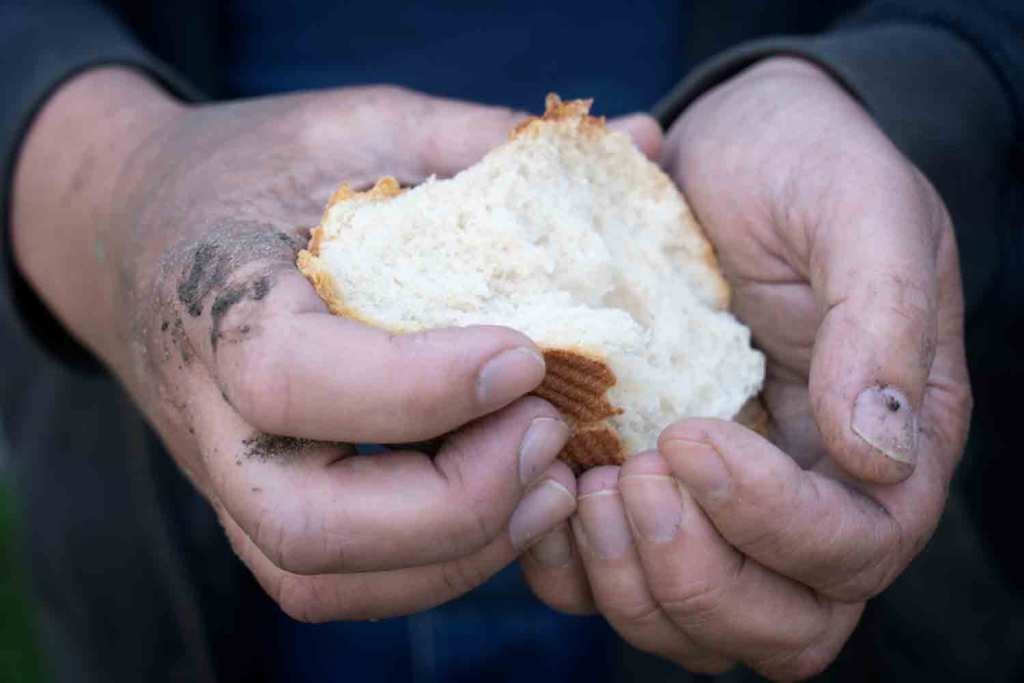
What effects does the situation have on Syrian children?
Children in Syria have suffered greatly from the turmoil for the past ten years. They have experienced violent and indiscriminate attacks, losing all of their previous familiarity along with their loved ones, homes, goods, and homes. They have only ever known the crisis as they have grown up. Over a third of the Syrian refugees in the area today—roughly 47 percent—are under the age of 18 and lack access to schooling.
Daily violations of children’s rights occur during the crisis. Child labor cases in Lebanon have nearly doubled in only one year as more and more Syrian children are becoming victims of it.