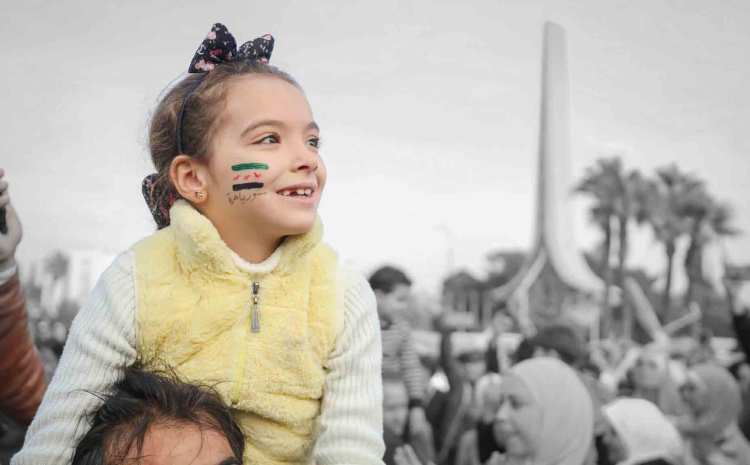
The Syrian Revolution, a popular uprising against the authoritarian regime of Bashar al-Assad, erupted in 2011, inspired by the wave of democratic movements sweeping across the Arab world. Initially, peaceful protests demanded political reforms, greater freedoms, and an end to corruption. However, the Assad regime’s brutal crackdown on these demonstrations quickly escalated the conflict into a devastating civil war.
Despite facing immense challenges, the Syrian Revolution has achieved some notable successes. It catalyzed a powerful movement for democracy and human rights, inspiring people both within Syria and around the world. The revolution exposed the Assad regime’s brutality and sparked international condemnation of its human rights abuses. Additionally, it fostered a sense of unity and resilience among the Syrian people, who continue to fight for a better future.
The revolution’s success, however, is only the first step in a long and arduous journey towards rebuilding Syria. The country faces immense challenges in the aftermath of the conflict, including widespread destruction of infrastructure, a shattered economy, and a deeply divided society.
One of the most pressing challenges is the reconstruction of Syria’s physical infrastructure. Years of conflict have left the country’s cities and towns devastated, with homes, hospitals, schools, and essential services destroyed. Rebuilding these structures will require massive investments of time and resources.
Beyond physical infrastructure, Syria also needs to rebuild its social and economic fabric. The conflict has displaced millions of Syrians, both internally and externally. Reintegrating these individuals back into society will be a complex and multifaceted challenge. The economy, which was already struggling before the war, has been decimated by the conflict. Reviving key sectors such as agriculture, industry, and tourism will be crucial for creating jobs and generating economic growth.
Addressing the deep social and political divisions that have emerged during the conflict will be equally important. The war has exacerbated existing sectarian tensions and created new fault lines within Syrian society. Reconciliation efforts will be necessary to heal these wounds and foster a sense of national unity.
The international community has a critical role to play in supporting Syria’s reconstruction. This includes providing financial and technical assistance, facilitating dialogue between the various factions, and promoting accountability for human rights violations.
The path to rebuilding Syria will be long and challenging, but it is not insurmountable. The resilience and determination of the Syrian people, combined with international support, offer hope for a future in which Syria can finally overcome the devastation of the past decade and rebuild a more just and prosperous society.
Syrian’s Future Initiative
You Can use our Other Donations Platforms ,